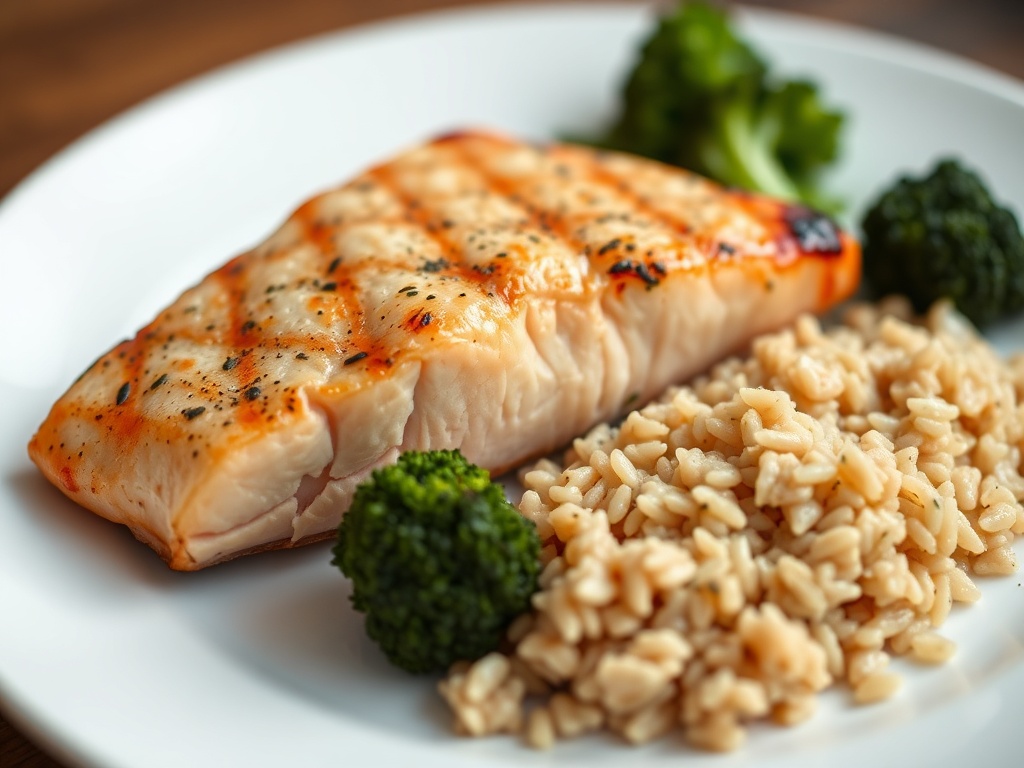
Expert Nutrition Tips Designed to Boost Vitality Energy and Overall Wellness
Driven by nutritional science, our expert guidance addresses male-specific health concerns through practical dietary strategies and evidence-based recommendations for lasting wellness.


Trusted Expert
Nutritionist Tips to Optimize Your Men's Health
Protein Intake
Proper protein consumption supports muscle maintenance, hormonal balance, and metabolic function essential for men's long-term vitality and strength.
Heart Health
Omega-3 fatty acids and fiber-rich foods reduce cardiovascular risk and improve circulation, protecting heart health and enhancing energy levels.
Testosterone Balance
Zinc, magnesium, and vitamin D are crucial micronutrients that naturally support healthy testosterone levels and sexual function in men.
Energy Levels
Strategic nutrient timing and complex carbohydrates stabilize blood sugar and provide sustained energy throughout your entire day.
Prostate Wellness
Antioxidant-rich foods like lycopene and selenium actively protect prostate health and reduce inflammation associated with aging.
Weight Management
Balanced macronutrition and mindful eating habits create sustainable weight loss while preserving muscle mass and metabolic rate.
Mental Clarity
Omega-3s, B vitamins, and antioxidants enhance cognitive function, mood stability, and focus for better mental and physical performance.
Sleep Quality
Magnesium, calcium, and tryptophan-containing foods promote deeper sleep and better recovery, essential for hormonal regulation.
Digestive Health
Fiber, probiotics, and hydration optimize gut function, nutrient absorption, and immune strength for comprehensive wellness.
Bone Strength
Calcium, vitamin D, and resistance training maintain skeletal density and prevent age-related bone loss in middle-aged and older men.
Athletic Performance
Strategic supplementation with amino acids, creatine, and electrolytes maximizes workout results and accelerates muscle recovery rates.
Inflammation Control
Anti-inflammatory foods including turmeric, berries, and leafy greens reduce chronic inflammation linked to disease and aging.
FAQs
Common Questions About Men's Nutrition
How much protein should men consume daily for optimal muscle health?
Daily protein requirements vary based on activity level and fitness goals, typically ranging from 0.8 to 2.2 grams per kilogram of body weight. Active men and those focused on muscle building benefit from higher intake. Quality sources include lean meats, fish, eggs, legumes, and dairy products. Distribute protein evenly throughout meals for maximum muscle protein synthesis. Consult your nutritionist for personalized recommendations based on your specific lifestyle and objectives.
Can supplements replace whole foods in a men's health nutrition plan?
Whole foods should always form the foundation of your nutrition strategy because they provide synergistic nutrient combinations, fiber, and phytonutrients supplements cannot fully replicate. Supplements fill specific gaps when whole food sources are insufficient or inconvenient. A balanced approach combines nutrient-dense whole foods with targeted supplementation to address individual deficiencies. Quality supplements support health goals but never substitute for consistent healthy eating habits and lifestyle choices.
What dietary changes can naturally improve testosterone levels?
Zinc-rich foods like oysters, beef, and pumpkin seeds directly support testosterone production alongside adequate vitamin D intake from sunlight and fatty fish. Maintain healthy body weight through balanced nutrition and regular exercise, as excess body fat increases estrogen levels. Reduce alcohol consumption and manage stress effectively. Include cruciferous vegetables, healthy fats, and avoid processed foods. Consistent sleep and strength training amplify these nutritional benefits for hormonal optimization.
How does hydration impact men's overall health and athletic performance?
Proper hydration affects cognitive function, physical performance, metabolism, and hormonal balance. Men should drink adequate water daily, adjusting intake based on activity level, climate, and individual needs. Even mild dehydration impairs strength, endurance, and recovery capacity. Include electrolytes during intense exercise or hot weather. Monitor urine color as a hydration indicator. Proper fluid intake supports nutrient absorption, joint health, and detoxification processes essential for optimal male wellness.

Get Your Personalized Men's Health Nutrition Plan
Our certified nutritionists offer customized guidance based on your health goals and lifestyle needs.